Three European Cities Where Architecture and Festival Collide
The best time to visit a European city isn’t when it’s quiet. It’s when the streets are alive with something specific—a ritual so embedded in the place that the architecture seems designed just to frame it.
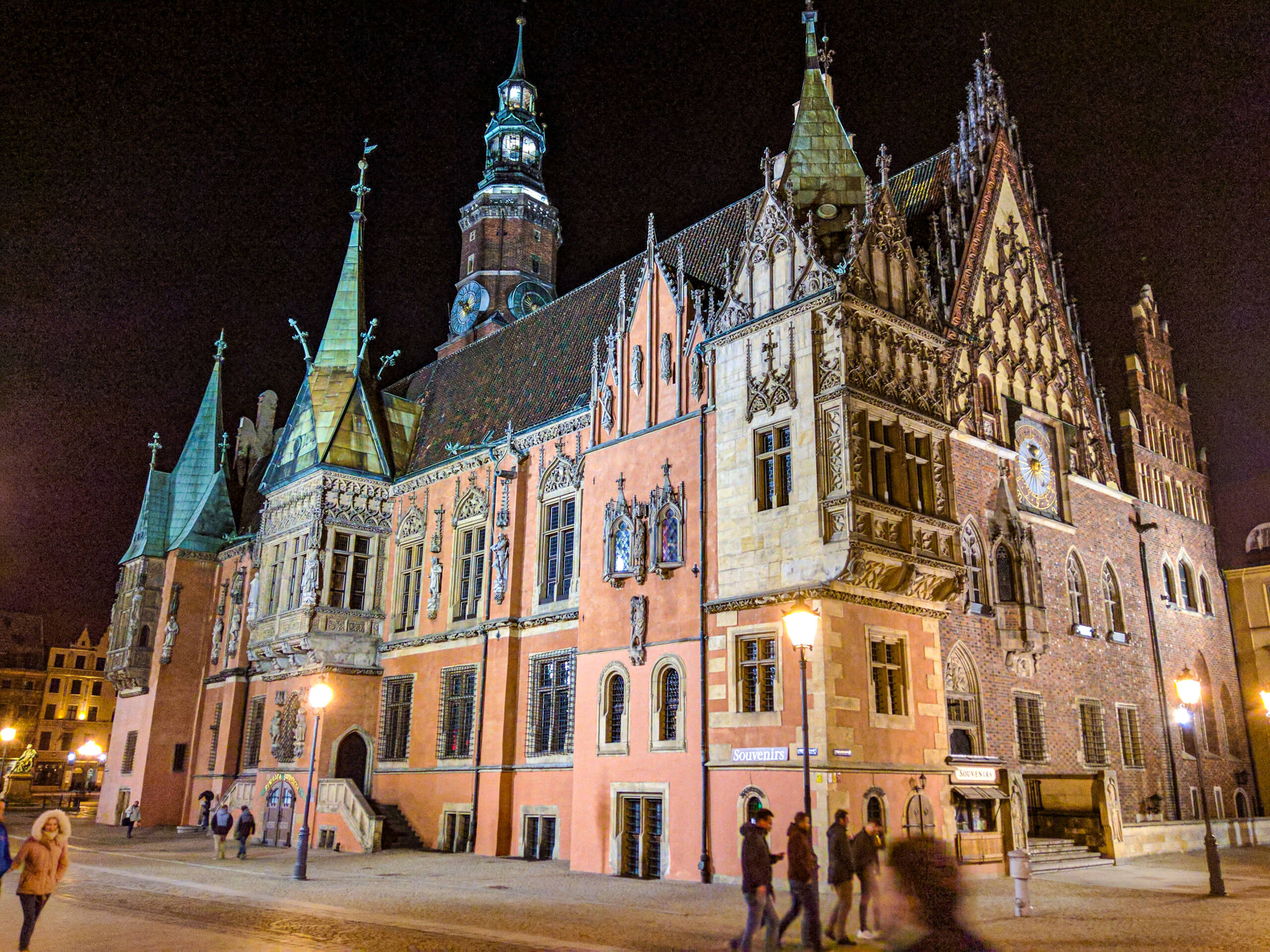
Wrocław’s Town Hall sits at the center of a square ringed with 600-year-old merchant houses. The Gothic spires and copper roofline aren’t just decoration; they’re a backdrop for a city where cultural life still runs through the calendar year, not just the tourist season. Stand in the square at night and the building does what it’s always done: hold the center while everything around it changes.
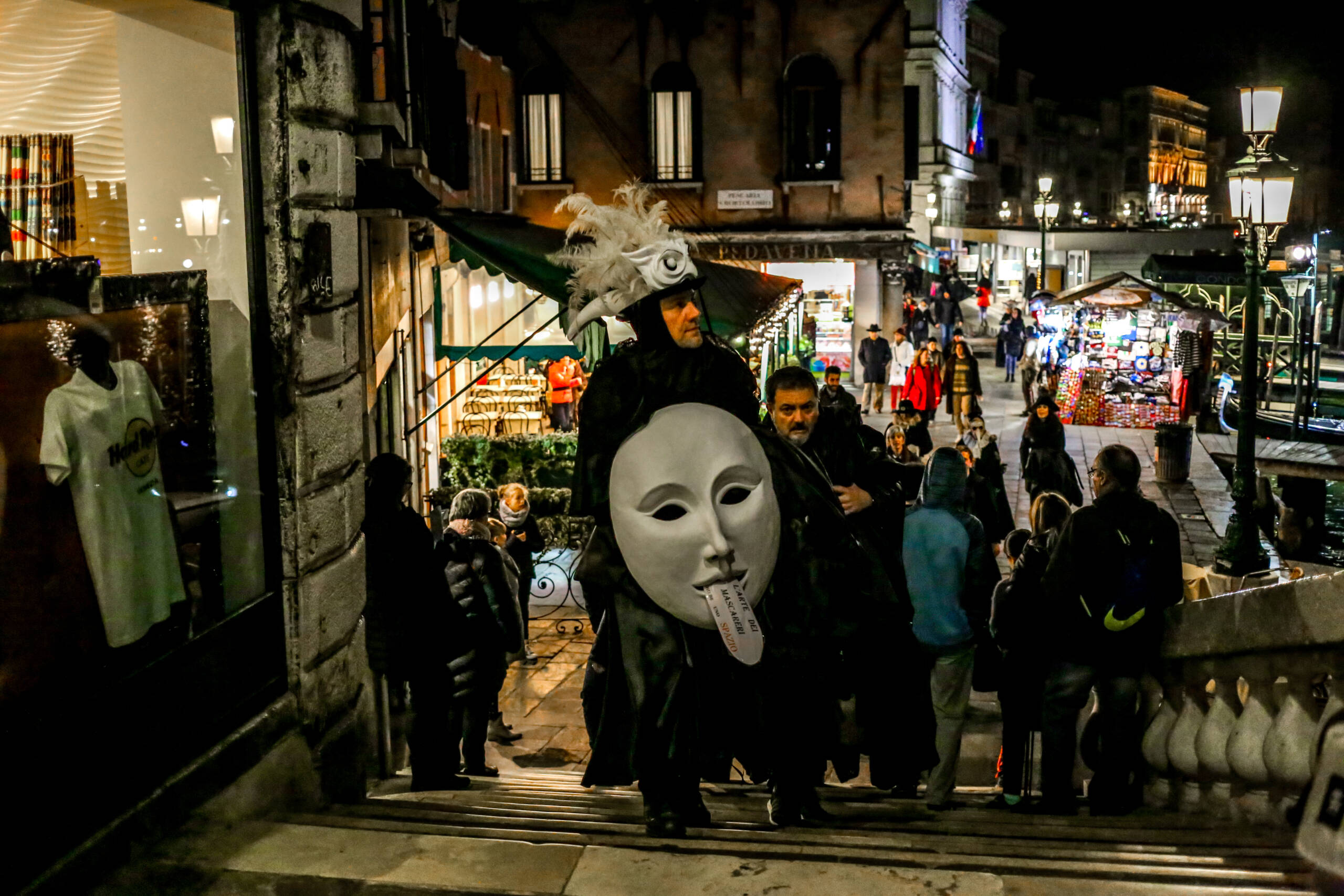
Venice’s Carnevale rewrites the city entirely. The lagoon doesn’t change, but the masked performers—costumes with wings and headdresses that take weeks to construct—transform the narrow streets into a theater. The masks hang in shop windows year-round, but during Carnevale they’re worn by thousands. The city becomes what it was designed to be: a stage.
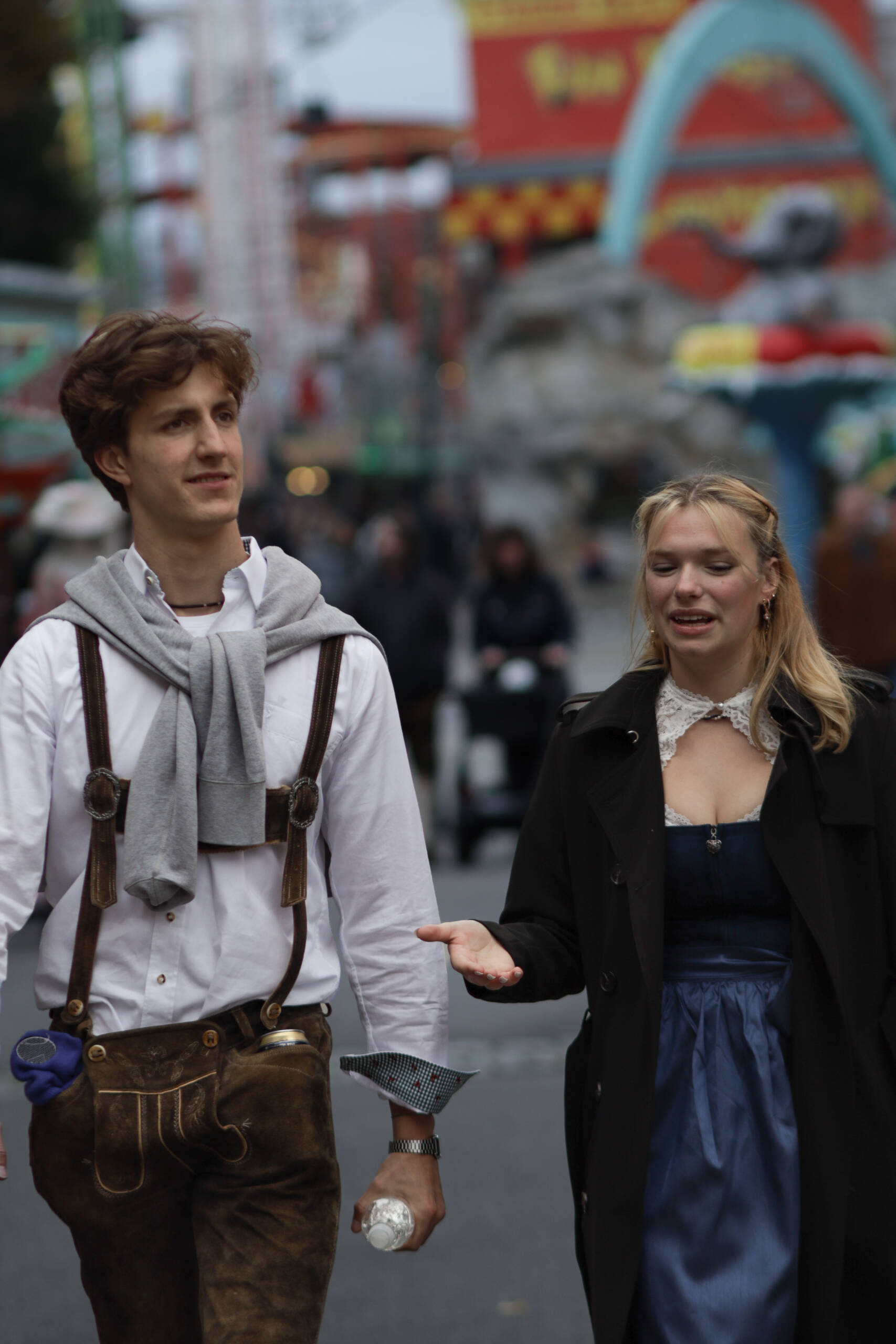
Vienna pulls Alpine culture into its imperial center. Walk through the city during festival season and you’ll see couples in traditional Tyrolean dress—leather pants, embroidered vests, hand-stitched details—moving through streets and squares built for empire. It’s a collision between two Europes: the cosmopolitan capital and the folk traditions of its mountain hinterland. Neither overwhelms the other.
What connects these three cities is the same thing: architecture that doesn’t just hold history—it’s designed to frame moments when a place becomes fully itself.
Plan ahead for Wrocław’s Jazz Festival in October, or its year-round cultural calendar. Venice’s Carnevale runs in February or early March. Vienna’s Christmas markets dominate November through December, but Alpine traditions surface throughout the year at seasonal festivals and markets.
For more coverage of European destinations, festivals, and cultural travel, visit travelmktg.com.